
-1.png)






Master Chess Piece Value Judgment Skills to Improve Practical Judgment Ability
1.Basic score of chess pieces: the cornerstone of building value judgments
In the world of chess, each piece has its unique value, and mastering these values is a prerequisite for making effective judgments and decisions. Here are the basic scores for each chess piece:
Pawn: 1 point
Knight: 3 points
Bishop: 3 points
Rook: 5 points
Queen: 9 points
King: priceless (non exchangeable)
These scores provide us with a quantitative reference to help us make a preliminary judgment on whether the exchange on the chessboard is cost-effective. For example, exchanging a car for a horse and a soldier, in terms of score, is 5 points for 4 points, which may not seem like a loss, but the actual situation may not be so simple.
2.The influence of position on the value of chess pieces: the difference between center and edge
The position of a chess piece has a significant impact on its value. The central grid is a strategic location on the chessboard that can control more areas, therefore:
Center horse: Horses located in the center grid have a wider control range and can quickly jump to key grids, posing a greater threat to the enemy. Therefore, their value is higher than that of horses on the edges.
Central Elephant: Similarly, the central elephant can control more diagonal lines, exerting greater pressure on the enemy's troops and chess pieces, and its value increases accordingly.
And the peripheral chess pieces, due to their limited control range, have relatively small roles and values. For example, a horse trapped in a corner has limited mobility and is difficult to have a substantial impact on the game.
3.Activity evaluation method: chess pieces that control key grids are more valuable
The activity of chess pieces is an important indicator to measure their role in the game. An active chess piece can:
Control key grid: Block the advance of enemy pieces or provide support for other pieces of our own team.
Participate in offense and defense: play an important role in both offense and defense, posing a threat to the enemy.
For example, a horse that penetrates deep into the enemy's formation may have a basic score of 3 points, but its actual value may far exceed 3 points because its position can control the enemy's key squares and pose a threat to important chess pieces such as the king or queen. On the contrary, a suppressed or trapped chess piece, even if its basic score is high, will have a greatly reduced value due to its inability to function.
4.Situation type and chess piece value: different strategies for closed and open situations
The type of situation in a chess game also has an impact on the value of the pieces. In a closed situation, there are many chains of soldiers on the chessboard, and the movement space of the chess pieces is limited. At this time:
The value of horses is relatively higher: because horses can jump over other chess pieces, they are more likely to find space for movement in closed situations, posing a threat to the enemy.
The role of elephants is limited: due to the obstruction of the military chain, the range of their activities is restricted, and their value is relatively reduced.
In an open situation, the squares on the chessboard are relatively empty, and there is more space for the movement of the chess pieces. At this time:
The value of elephants is relatively higher: because elephants can control long diagonal lines, they pose a greater threat to enemy formations and chess pieces.
The role of horses is relatively weakened: due to the increase in activity space, elephants can play a more effective role, while horses need more time to jump to key grids.
5.Collaboration value: the tacit cooperation between chess pieces
The value of a chess piece depends not only on itself, but also closely related to its coordination with other chess pieces. If a chess piece forms a good match with other chess pieces, its value will significantly increase:
Car+Rear: The combination of car and rear can form a powerful offensive, control key areas of the chessboard, and pose a deadly threat to the enemy king.
Double Elephant: Two elephants work together to control all diagonal lines on the chessboard, exerting sustained pressure on the enemy's troops and chess pieces. Their value far exceeds that of a single elephant.
And individual chess pieces, even if they have high scores, may be broken one by one due to a lack of support. For example, if a lone soldier goes deep and scores 9 points, it is easy to be surrounded and lost by enemy pieces without the protection of other pieces.
6.Practical application: Comprehensive application of value judgment skills
In actual combat, we need to comprehensively apply the above techniques to accurately judge the value of chess pieces. Here are some practical application suggestions:
Before exchanging chess pieces: Carefully evaluate the score, position, activity, and collaboration value of the exchanged pieces to determine if it is cost-effective.
When formulating tactics: consider how to leverage the value differences of chess pieces and gain an advantage in the situation by exchanging or mobilizing them.
When defending: Pay attention to protecting your own high-value chess pieces, especially those in critical positions, to avoid unnecessary losses.
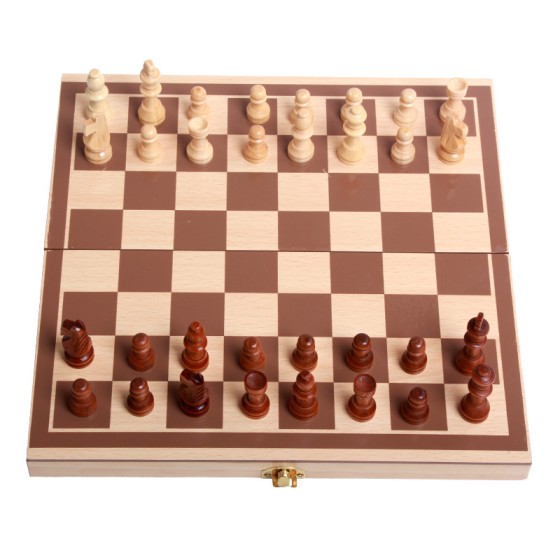
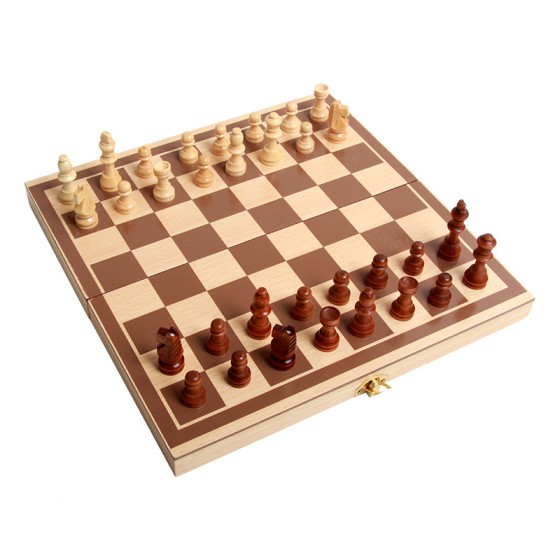
![[Hemu Professional Level] Magnetic Chess, Free Double Queen](https://chess.radetop.com/cache/image/catalog/products/product-57/O1CN01GqMtFN1E39iwFz6r5_!!2734330295-0-cib-560x560.jpg)
![[Hemu Professional Level] Magnetic Chess, Free Double Queen](https://chess.radetop.com/cache/image/catalog/products/product-57/O1CN01Rp3c1w1E39izQWchX_!!2734330295-0-cib-560x560.jpg)
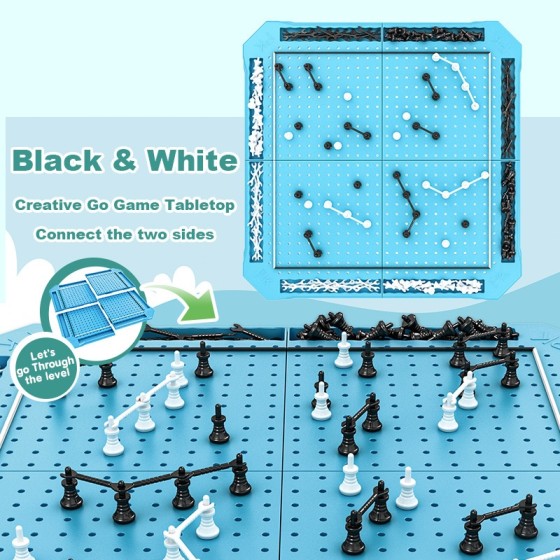
-560x560.jpg)